(239) 301-8913 Departing Marco Island & Naples, FL
⚓ USCG Licensed & Insured 4.9★ from 2,000+ guest reviews — read them on Google & Tripadvisor
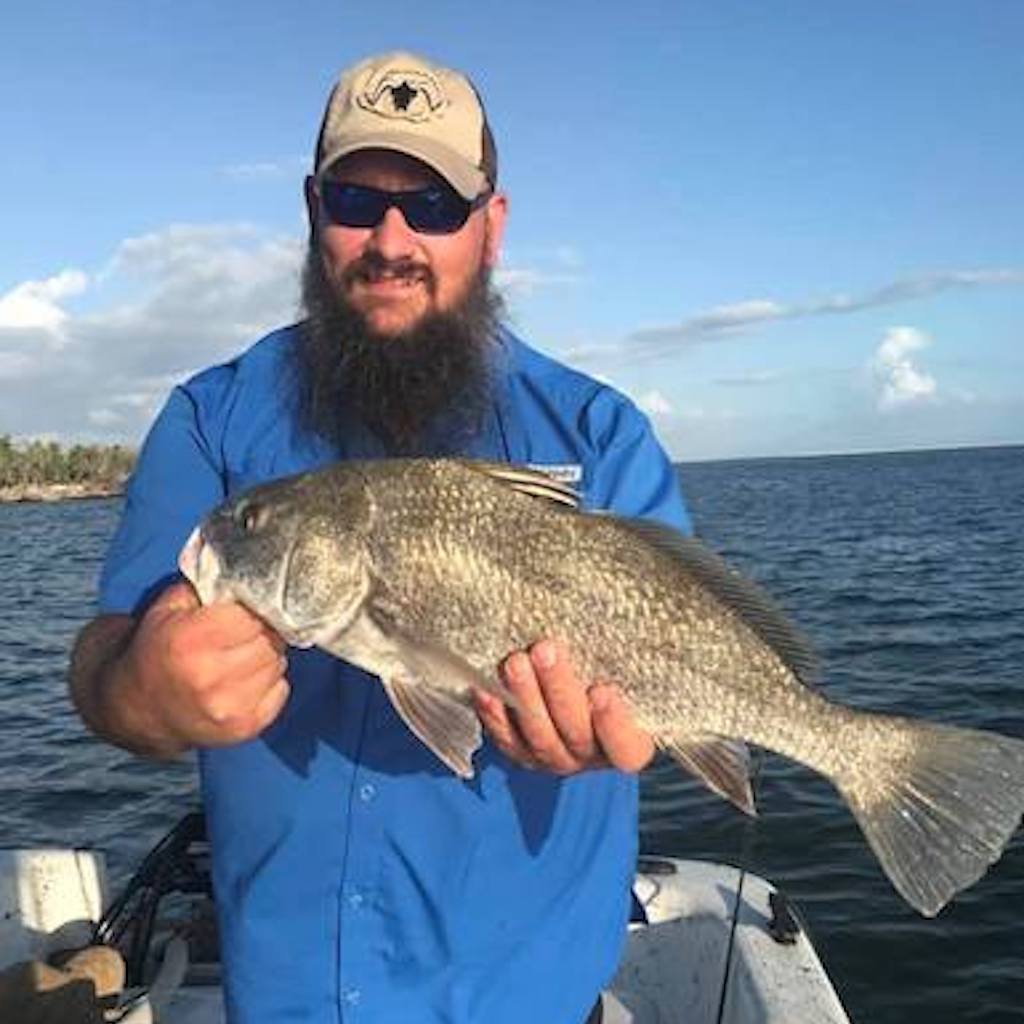
A guest holding a large Gulf fish boatside on a Sand Dollar charter in the warm shallow water near Marco Island, Florida

Day Trips

Punta Gorda to the Ten Thousand Islands Backcountry

You already fish one of Florida’s great estuaries, so the reason to point a car south isn’t more water — it’s different structure: mangrove creeks, oyster bars and thin backcountry instead of a big open harbour. Figure 1 hour 35 to 2 hours 05 down I-75 to our Goodland dock, or 1 hour to 1 hour 25 to our Naples dock.

  • San Marco Marina, Goodland
  • 1 hr 35 – 2 hr 05 to Goodland
  • All ages welcome
  • USCG Master Captains
Drive to Goodland1 hr 35 – 2 hr 05 down I-75 — our Naples dock is 1 hr – 1 hr 25
Departure marinaSan Marco Marina — 604 E Palm Ave, Goodland, FL 34140
WaterTen Thousand Islands backcountry — creeks, bars, flats and passes
You may seedolphins, wading birds, rolling tarpon — wild, never promised

Different Structure

Why an angler drives past good water to get here

Charlotte Harbor is a big, open, wind-driven estuary — the Peace River pouring in at the top of it, broad water and long grass in the middle, and room enough that one bad breeze can shut down half of it for the day. What sits at the bottom of I-75 is the opposite animal. The Ten Thousand Islands is a roadless maze of mangrove keys with creek mouths cut into them, oyster bars stacked wherever the current turns, and backcountry so thin that a foot of tide decides which side of a bar the fish are on. Same state, same Gulf, completely different structure. That is the argument for the drive, and it is the only one we are going to make.

Now the part that costs you a morning if we get it wrong. Nearly everything an angler comes down here for leaves from San Marco Marina, 604 E Palm Ave in Goodland, out on the far southeast tip of Marco Island — and Goodland sits a solid half hour past Naples, not next door to it. Down I-75 that is roughly 1 hour 35 to 2 hours 05 from Punta Gorda. Our other dock, Naples Bay Resort & Marina at 1500 5th Avenue South, is genuinely closer to you at roughly 1 hour to 1 hour 25, and it runs the bay-side cruises. Reserve first, check which marina your confirmation names, and set the alarm off that number.

Two more things worth knowing before you set it. Shelling departures are built around low tide rather than anybody’s convenience, so the hour you are handed is the hour the water gives us, and season — roughly November through April — stretches every drive figure on this page. On the fishing side, our vessel license covers every paying guest aboard, so nobody buys a thing beforehand and nobody fills out a form. Tarpon is catch-and-release only, always. Snook is regulated and seasonal, and your captain will tell you exactly where that stands on the morning you fish rather than us guessing months ahead of you.

  • Goodland 1 hr 35 – 2 hr 05; Naples 1 hr – 1 hr 25, down I-75
  • Creek mouths, shell edges and skinny water instead of open bay
  • No fishing license to buy — our charter license covers you
  • Tarpon catch-and-release only; snook regulated and seasonal
Check Availability

A wild mangrove island shoreline and shallow green water in the Ten Thousand Islands south of Marco Island, Florida
The far end of I-75 — no road reaches any of this

By Water Type

The water down here, one type at a time

Read this as structure rather than an itinerary — your captain picks which of it is actually feeding on the tide you get.

01

Creek — the mangrove drains

Start with the thing a big harbour does not have much of: hundreds of small mangrove creeks emptying hundreds of small basins, twice a day, every day. Some are wide enough to idle a pontoon into and some are a rod-length across with branches closing overhead. What matters is the mouth. On a falling tide a creek dumps everything living behind it — shrimp, glass minnows, small crabs — into a narrow slot of moving water, and predators set up on the downcurrent side and wait. Snook use this constantly, and so do mangrove snapper, jacks and the odd redfish that rode in on the flood. It is close-quarters, accurate-cast fishing with roots on both sides, and it is the biggest structural difference between here and the water you already know.

02

Bar — oyster, and the edge that does the work

Oyster bars are the furniture out here. They build where current meets slack, they are hard, they are sharp, and they change the bottom by a foot or two across a boat length, which in water this thin is everything. A bar breaks the flow, bait piles up behind it, and fish sit in the seam waiting on whatever the current hands them. Sheepshead and black drum pick at the shell itself. Redfish work the edge on a rising tide and climb onto the top of it once there is enough water to swim in. Bars are also why local knowledge is a fact rather than a sales line: one you cross comfortably at half tide is a lower unit at low, and plenty of them are not marked on anything you own.

03

Flat — sand, turtle grass and not much water

Between the islands the bottom flattens into sand and turtle grass that can be shin-deep at the bottom of the tide. If you are used to drifting or poling big flats at home you will recognise the geometry and not the scale — these are smaller, more broken up, and hemmed in by mangrove on at least one side, so fish have less room to run and you have less room to be wrong. Spotted seatrout hold over the grass. Redfish tail on the sand when the light and the tide line up. Everything on a flat is spooky in clear, still water, so quiet counts, and so does the direction you come in from.

04

Pass — where the whole system fills and empties

All that water behind the islands drains through a handful of passes, and a pass is the one piece of structure you will find immediately familiar. You already know what a big pass does at the mouth of a harbour — Boca Grande sits at the mouth of yours. Ours are smaller and there are far more of them, cutting between island and island rather than between a barrier island and the mainland, and they run hard on both halves of the tide. Tarpon roll through them in the warm months and every one of them goes back in the water. Snook stack in the current too, and whether any can come home with you is regulated and seasonal. Passes are also where the surface turns ugly fastest when wind opposes tide.

05

Island — the beaches nothing drives to

The keys themselves are the payoff for whoever came along and does not fish. Most have no bridge, no road, no facilities and nobody on them, and the Gulf-facing beaches collect whatever the last front pushed in. Collier County is empty shells only, so nothing alive comes home with you — that is law, not house preference. The Florida state shell is the horse conch, and people do find them out here. Junonia is the deep-water grail that only washes in after storms, and no honest trip promises you one. Cape Romano’s dome houses have sat half-sunk offshore as toppled ruins since Hurricane Ian in 2022, not standing above the water. Shelling runs are $125 for adults and $90 for children, year-round.

06

Near-shore — the Gulf edge, when the wind allows

Outside the islands the bottom keeps falling away gently, and on a flat day the near-shore hard bottom and ledges come into reach. That is a different rhythm from everything above: less casting at structure you can see, more working structure you cannot. It is also the part of the day the weather decides for you. A twelve-knot onshore breeze that barely ruffles a wide open harbour will build a short, ugly chop over shallow near-shore water, and our captains will keep you inside the islands rather than beat everybody up for two hours to prove they went out. That call gets made the morning of, on the water, by the person driving the boat — one more reason to phone before you commit to a departure time.

Who It Suits

Who this drive actually pays off for

Written for a household where at least one person owns more rods than is strictly reasonable.

Harbor anglers after new structure

You know open water and long grass flats — this is creek mouths, oyster and backcountry you can nearly touch.

A carload where only one of you fishes

A private charter splits the day cleanly: rods first, then a beach with no road to it for everybody else.

Shellers riding along for the day

Our shelling runs leave Goodland on the tide and land on unraked island beaches — empty shells only, Collier County law.

Kids and first-time anglers

Nobody aboard needs a license of their own, and under-sixteen anglers are exempt in Florida regardless.

Down There

What sits at the far end of the interstate

Birds on a mangrove edge, an unraked island beach, and the boat that lets a mixed group split the difference.

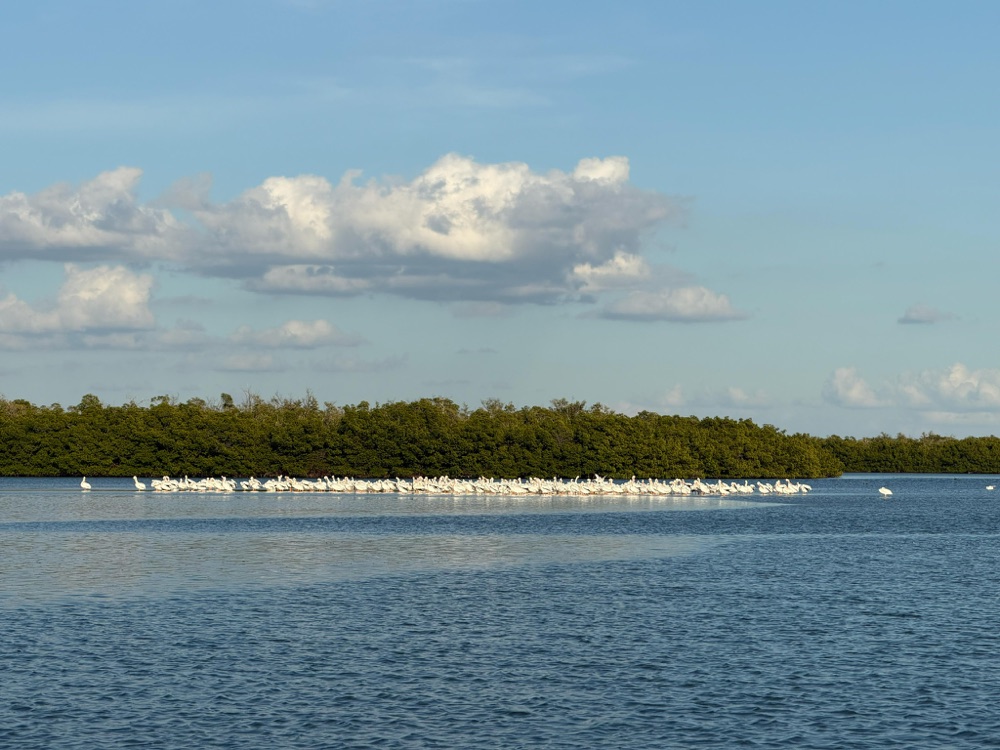
A long raft of white pelicans resting along a green mangrove shoreline in the Ten Thousand Islands near Marco Island, Florida
Birds hold where the bait does, and so do we
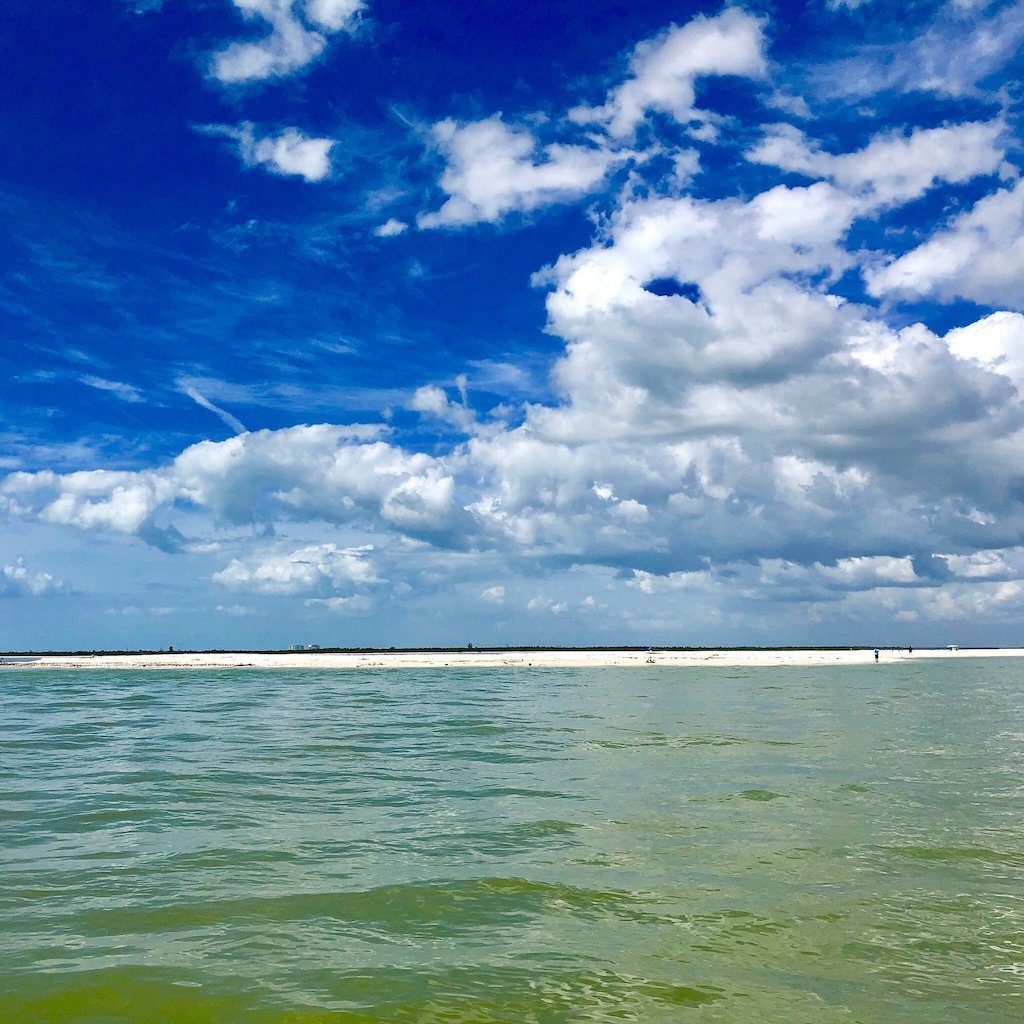
A wild, undeveloped barrier-island beach and shallow sandbar in the Ten Thousand Islands south of Marco Island, Florida
An island beach with no bridge and nobody raking it
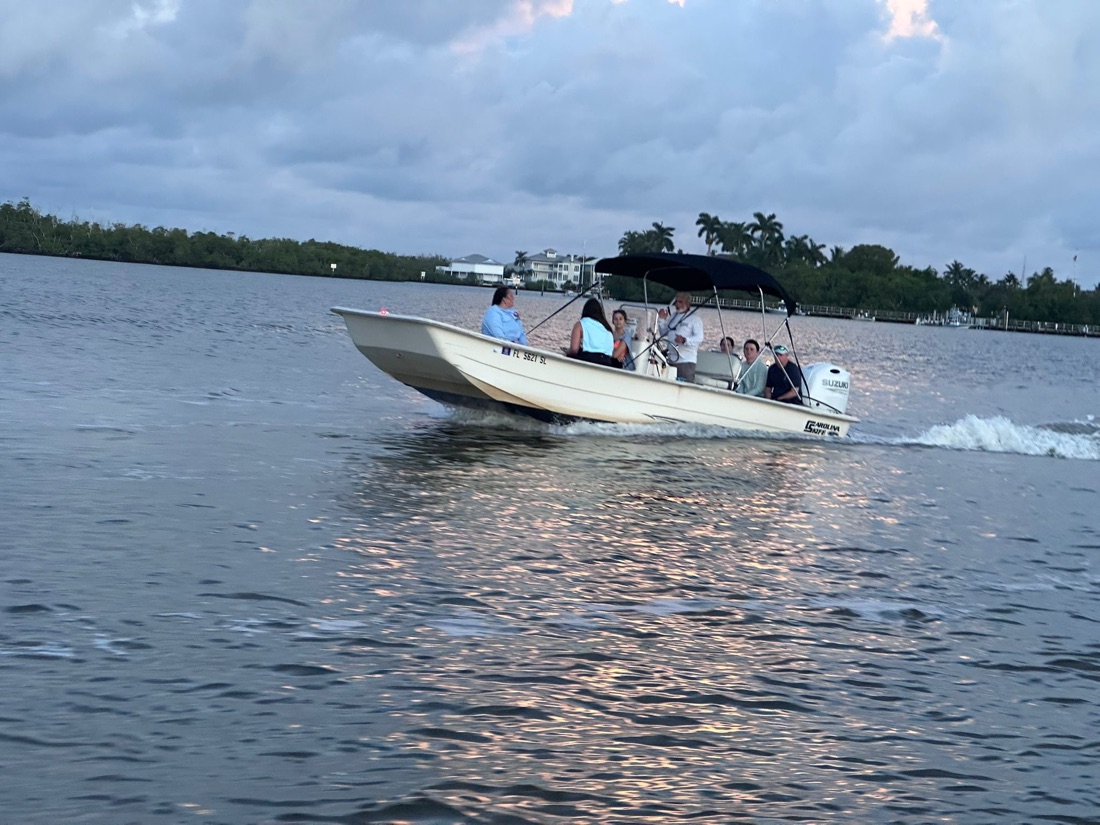
Guests relaxing under the canopy aboard a Sand Dollar private charter boat on calm water near Marco Island, Florida
A private charter is how half a carload fishes and half doesn’t

Good to Know

Punta Gorda to the boat, answered straight

The drive, the rules, and the honest odds — before you burn a Saturday on it.

How long is the drive, and which dock am I driving to?

Ask which dock before you ask how long. Backcountry fishing, shelling runs and the wild-island trips all board at Goodland, out on the southeast tip of Marco Island: 1 hour 35 to 2 hours 05 from Punta Gorda on I-75. The bay-side cruises board in Naples, nearer at 1 hour to 1 hour 25. Those two are not interchangeable. Goodland sits a good half hour beyond Naples, and planning a Goodland departure off the Naples figure is exactly how people end up watching a boat leave without them. Both ranges stretch in season, which runs roughly November into April here. Check your own map app the morning you travel, leave a buffer inside it, and be parked fifteen or twenty minutes early.

Does everyone in our group need a fishing license?

No. The charter’s own vessel license covers everyone who paid to be aboard, so there is nothing for you or anyone with you to buy before the car moves. Anglers under sixteen are exempt in Florida anyway, so the kids are covered twice over. That is genuinely one less errand on a travel day — you can leave home with a hat, sunglasses and a cooler and be legal the moment you step onto the boat. If you already hold a license of your own, bring it or leave it; it changes nothing about the trip.

Can we keep what we catch?

Sometimes, and it depends entirely on the species and the calendar. Two things we can tell you flatly. Tarpon is catch-and-release only, every fish, every time, no exceptions — they get handled carefully and they go back in the water. Snook is a regulated, seasonal fish, and what is open shifts, so we do not print dates or limits here that could be a year stale by the time you read them. Ask your captain when you board and you will get the current answer for that day. Everything we run is inside the rules, and any captain who tells you otherwise is a captain to walk away from.

Are we going to catch anything?

We will not promise you a fish, and you should be wary of anybody who does. These are wild animals in moving water, and tide, wind, water temperature and whatever front came through last week all get a vote. What we can control is where you are standing: a captain who runs this backcountry every week, on the drains and edges actually working on the tide you have got, instead of a hopeful drift across open water. Most trips catch. Some catch a lot. A few days the water simply does not cooperate, and we would rather say that here than after you have driven ninety minutes to hear it.

Half our group doesn’t fish. Is this still a good day?

It is, and a private charter is usually the cleanest way to make it work. You get the whole boat and your own clock, so the first stretch can be spent working mangrove drains for whoever brought a rod, and the rest of it can be an island beach for everyone who didn’t. If nobody in the car cares about fishing at all, the honest recommendation is a shelling run or a beach and island trip out of Goodland instead — same water, same captains, no rods involved. Tell us the mix when you call (239) 301-8913 and we will steer you to the trip that suits the whole carload.

Why drive past closer water to do this?

Because the thing at the end of this drive does not exist nearer to you. If what you want is a pleasant cruise around a pretty bay, there is one much closer to home and we will say so plainly on the phone. What Florida has exactly one of is a roadless mangrove archipelago this size, sitting where the Gulf runs into the Everglades, with beaches no vehicle can reach and creek systems nobody has ever dredged. If Fort Myers is simply the midpoint of your drive, our Fort Myers page covers that stretch on its own terms. Otherwise keep going south — the last forty minutes past Naples is where the water genuinely changes character.

Reserve Your Seats

Ready to fish a different kind of structure?

Check dates and book a boat tour, or call (239) 301-8913 and a captain will tell you what the tide is doing on the day you want.

Or call (239) 301-8913

The Far End of I-75

Book your day in the backcountry

Backwater and near-shore fishing charters, private charters for a mixed carload, and shelling runs at $125 per adult and $90 per child — all out of San Marco Marina in Goodland, 1 hour 35 to 2 hours 05 down I-75 from Punta Gorda. Reserve the date, then let the tide set your alarm.

← All day trips

Proud member, Greater Naples Chamber of Commerce · Listed with VISIT FLORIDA, Paradise Coast CVB, Visit Marco Island & Visit Naples

Book Now