(239) 301-8913 Departing Marco Island & Naples, FL
⚓ USCG Licensed & Insured 4.9★ from 2,000+ guest reviews — read them on Google & Tripadvisor
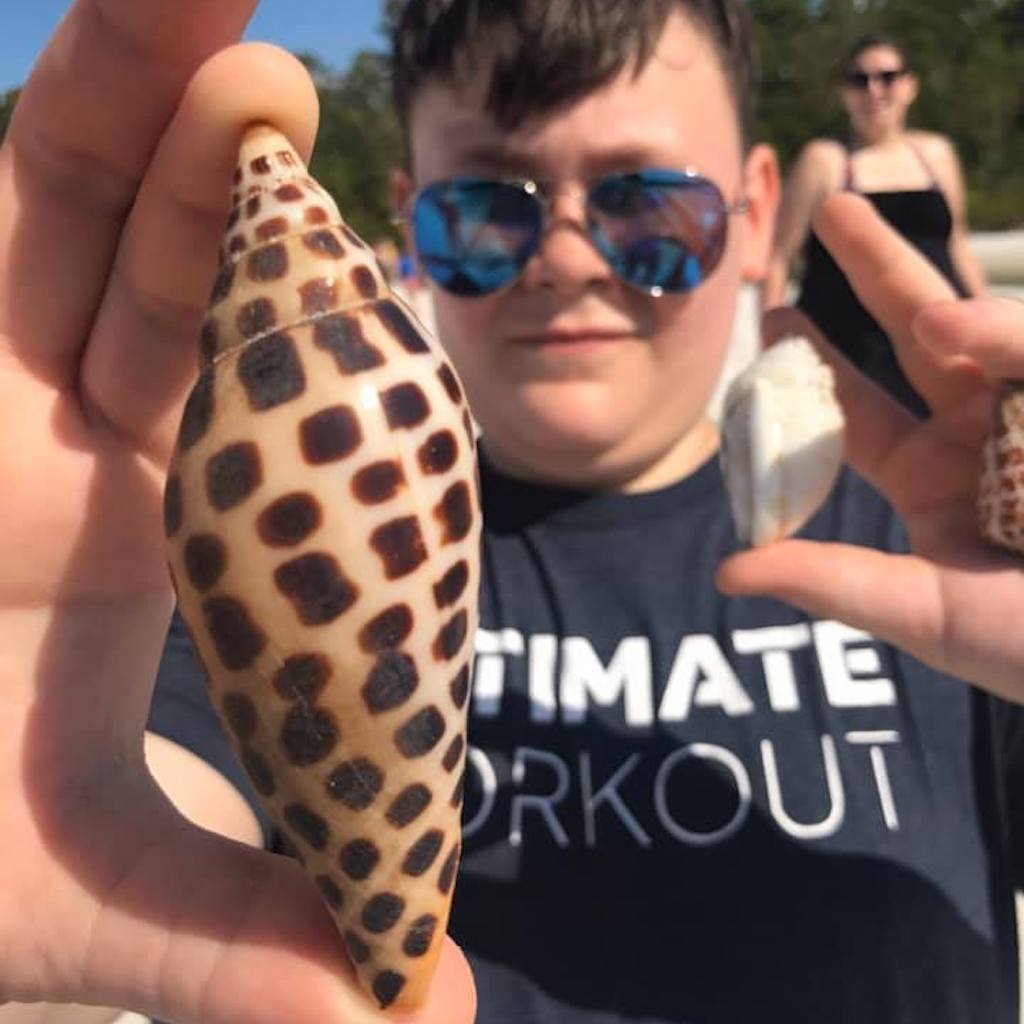
A young guest on a Sand Dollar shelling trip holding up a large spotted shell found on a wild island beach near Naples, Florida

Day Trips

Venice to the Ten Thousand Islands: A Collector’s Day Trip

You already know the thing most beach visitors never work out — that a shoreline gives up treasure because of what the water and the sand are doing to it, not because of what the sign at the parking lot claims. Point that same eye two to two and a half hours south down I-75, at our Goodland dock, and there are unraked island tidelines with no road to any of them.

  • San Marco Marina, Goodland
  • 2 hr–2 hr 30 from Venice to Goodland
  • All ages welcome
  • USCG Master Captains
Drive to Goodland2 hr–2 hr 30 (Naples dock: 1 hr 25–1 hr 55)
Departure marinaSan Marco Marina, 604 E Palm Ave, Goodland
WaterTen Thousand Islands — unbridged, unraked shell beaches
You may seewhelks, conchs, dolphins, wading birds — never promised

Collector to Collector

Same eye, different quarry

Venice sits on a stretch of Gulf coast where the fossil beds offshore do most of the work for you, and if you already own a scoop and a screen then you have learned the two things that matter most in this hobby: a beach yields because of geology and current rather than because of a sign in the parking lot. We are not writing you a third guide to that — the Venice shark tooth guide and the Sanibel-versus-Venice comparison already cover it. What we can hand you is the other half of the Gulf’s collecting map: whole shells, on island beaches with no bridge to them, no rake, and no parking lot at all.

Here is the road, plainly, because the two docks are not interchangeable. Shelling and island runs leave from San Marco Marina at 604 E Palm Ave in Goodland — a small working fishing village out on the far southeast tip of Marco Island — and from Venice that is a two-hour to two-and-a-half-hour run straight down I-75. Our other dock, Naples Bay Resort & Marina at 1500 5th Ave S, is nearer at one hour twenty-five to one hour fifty-five, but it is the wrong one for a collector: Goodland sits a further thirty to forty minutes past Naples, and that extra half hour buys the head start into the islands. Season, roughly November through April, stretches both ranges.

Two things decide your day, and neither of them is your calendar. The first is the tide: shelling runs are built around a low, so the departure time comes out of the water rather than out of whatever suits your drive — book the trip first, then plan the road around the slot you are handed. It runs all year, with morning negative lows through winter and evening lows through summer, so there is no wrong month to point the car south. The second is a rule you may never have had to think about before: Collier County is empty shells only, so anything still holding its animal goes back exactly where you found it, and that includes sand dollars and sea stars.

  • Shelling leaves Goodland — 30–40 minutes past Naples
  • Venice to San Marco Marina: 2 hr–2 hr 30 down I-75
  • The tide sets the departure, so book before you plan the drive
  • Collier County is empty shells only — the animal stays
Check Availability

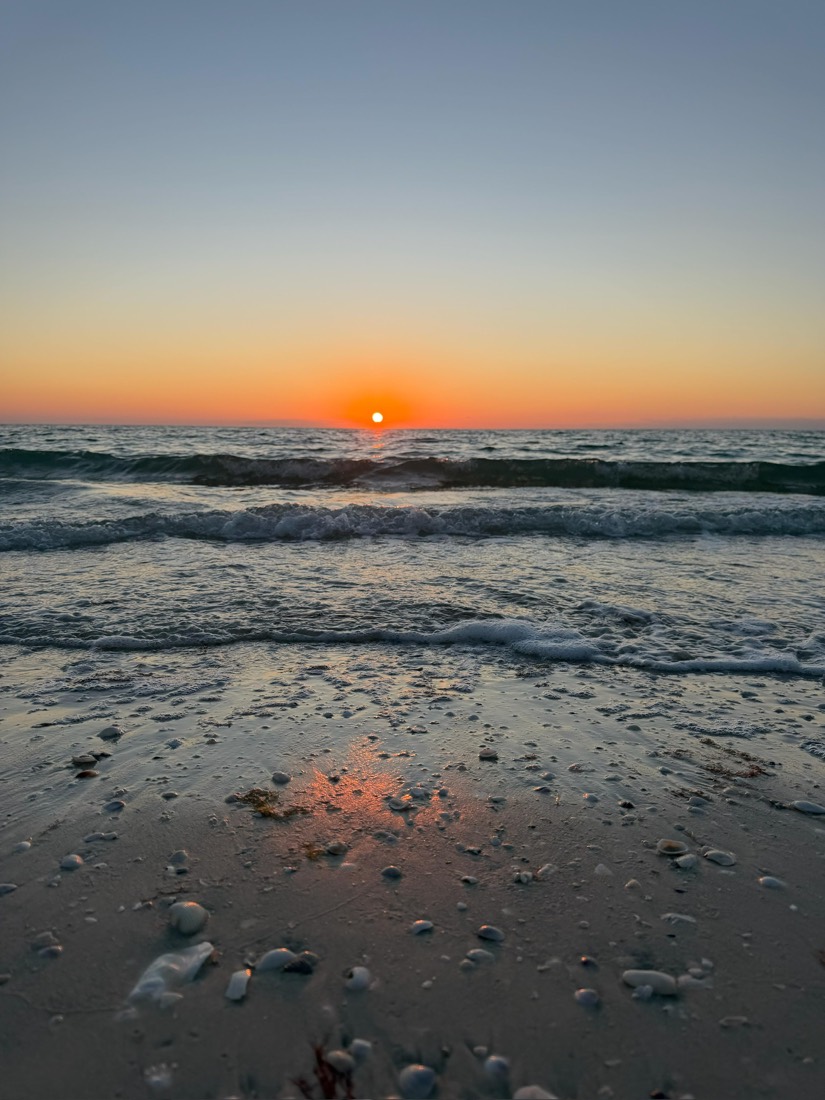
The sun low on the Gulf of Mexico horizon above wet sand scattered with small shells catching the light on a beach at Marco Island, Florida
Small shells holding the last of the light on a Marco Island beach

Kit & Method

What to pack, and what to change about how you hunt

Most of your habits transfer intact. Six of them want adjusting before you step on the boat.

01

Leave the sifter, bring the bag

Screens and scoops are built to separate small dense objects out of wet hash, and out here they solve a problem you do not have. Whole shells are large, light and breakable, and you find them with your eyes and a slow walk rather than with a shovel. Bring a soft mesh bag or a small bucket instead — mesh so the sand and water drain out on the way back to the boat, and so a soaked bag is not sitting in your lap for the ride home. Two bags beat one: a big whelk rolling around loose will chip everything smaller than it before you reach the dock. A couple of old dish towels or a handful of newspaper in the bottom is the cheapest insurance in this hobby.

02

Retrain the eye from glint to outline

The pattern-matching you have already built does not transfer straight across, and it is worth knowing that before you are standing on a beach wondering why nothing jumps out. The hunt you are used to is a contrast problem: a small dark shape against pale sand. This one is a shape problem. You are scanning for a curve — a spire, a whorl, a lip of aperture breaking the surface — and the best finds lie half-buried and side-on, so the giveaway is an outline that does not belong to a broken piece. Keep the sun in front of you so shells throw a shadow edge, drop your pace below what feels productive, and walk the same stretch twice from opposite directions. The second pass turns up what the first walked over.

03

Work the wrack line, not the whole island

A wild island beach is longer than your legs and your morning, so the real skill out here is deciding where not to look. Work the wrack — that ragged line of weed, sea grass and broken shell the last high tide left stranded — and then the fresh hash below it. Points, spits and the ends of an island collect far more than the middle, because the ends are where the current has to turn and drop what it carries. Anywhere a bar runs toward deeper water earns a slow lap. Same sorting logic you already use at home, applied to island beaches nobody walked ahead of you this morning.

04

Check it before it goes in the bag

This is the one habit with no equivalent in your current kit, and it matters most. Collier County allows empty shells only, so every shell earns a look before it travels: tip it over and see whether an animal is at home, whether the aperture is sealed with an operculum, whether a hermit crab has moved in. Sand dollars and sea stars get the same test. A living keyhole urchin — the local sand dollar — is greyish-brown and faintly fuzzy with spines that move, while an empty one is white, hard and clean. Anything alive goes straight back where it came from. Ask a captain about anything you are unsure of — a two-second habit that keeps the beach producing for whoever walks it next.

05

What the boat actually changes

Any beach you can park at gets walked by hundreds of people a day, tidied in places, and picked over before you arrive — and it does not matter how sharp your eye is if you are the four-hundredth person on that sand. The islands we run to have no road, no bridge and no causeway. We land the Island Hopper bow-first, you step off, and the tideline in front of you was last rearranged by the tide rather than by a crowd. That is the whole trade you make for the miles: not a better technique, not a rarer species list, just first access to a surface nobody has touched since the water left it. Read what this archipelago actually is before you come, and bring water shoes — the bottom is shell.

06

The dock: San Marco Marina, Goodland

Type 604 E Palm Ave, Goodland into your map app rather than “Marco Island,” because those are not the same trip. Our Goodland marina sits on the southeast tip of the island, well past the resort end, and from Venice it is two to two and a half hours down I-75 — another thirty to forty minutes beyond our Naples dock at 1500 5th Ave S. Leave a genuine buffer on top of that: I-75 through the Fort Myers stretch can stall with no warning, and our boats depart on the tide’s schedule instead of yours. Be parked fifteen or twenty minutes early, and check your own map app the morning you drive — it knows about today and we do not. Running behind? Call (239) 301-8913.

Who It Suits

Built for somebody who already collects

If you own a rinse bucket and a labelled tray, this page was written for you.

Adding a second coast

You have the patience and the eye already — this is that same instinct pointed at whole shells.

An identifier, not just a gatherer

Ask your captain what you are holding. Naming it at the rail beats guessing at the kitchen table.

Raising the next one

A kid who can pick a shape out of wet hash will do very well on an island nobody rakes.

After a day trip, not a trek

Out of Venice early, on the beach for the low, back up I-75 in time for dinner.

Out There

The beaches at the far end of the drive

Real bags, real tidelines, and islands with no road on them.

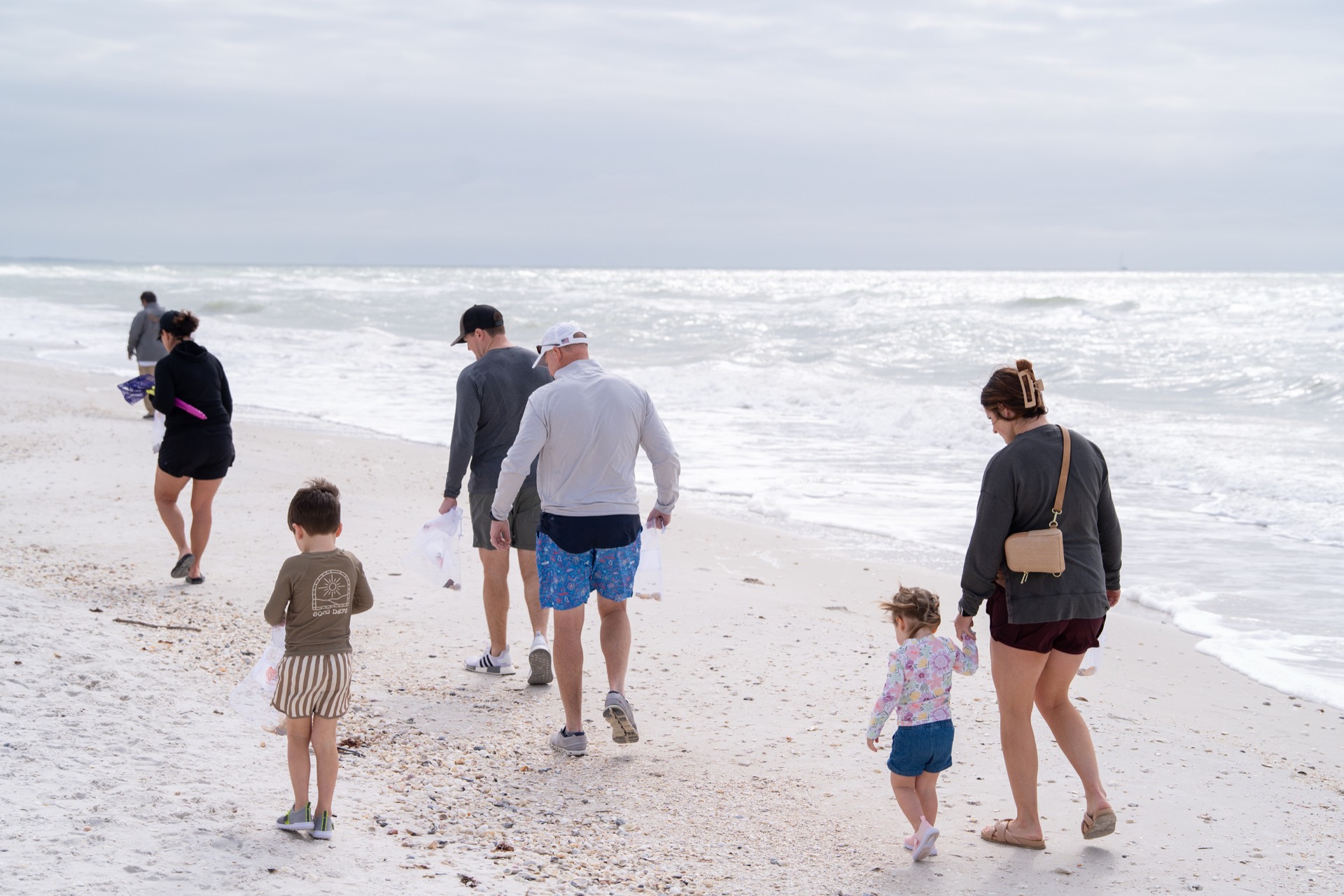
Three generations of a family walking a shell-strewn beach with collecting bags as Gulf surf breaks under a soft overcast sky near Marco Island, Florida
Bags out, heads down — a working tideline on a grey morning
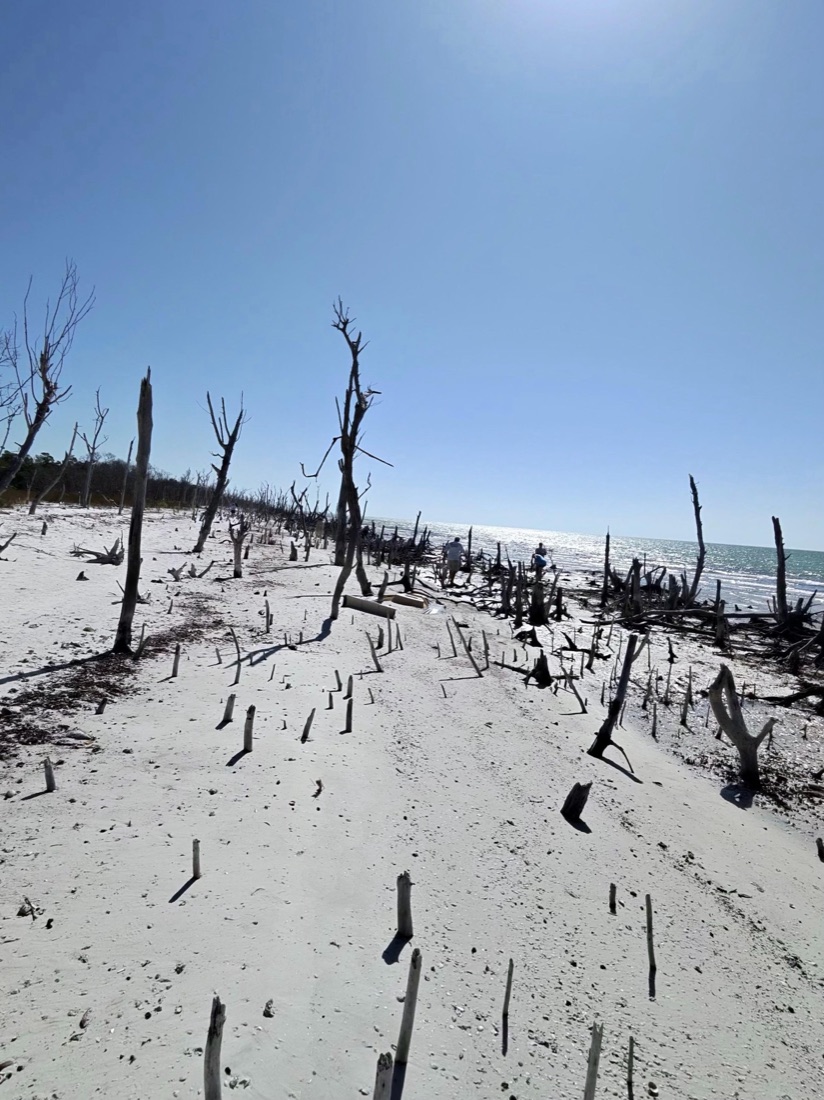
A wild barrier-island beach and shallow clear flats in the Ten Thousand Islands south of Marco Island, Florida
No bridge, no rake, no parking lot — just the beach
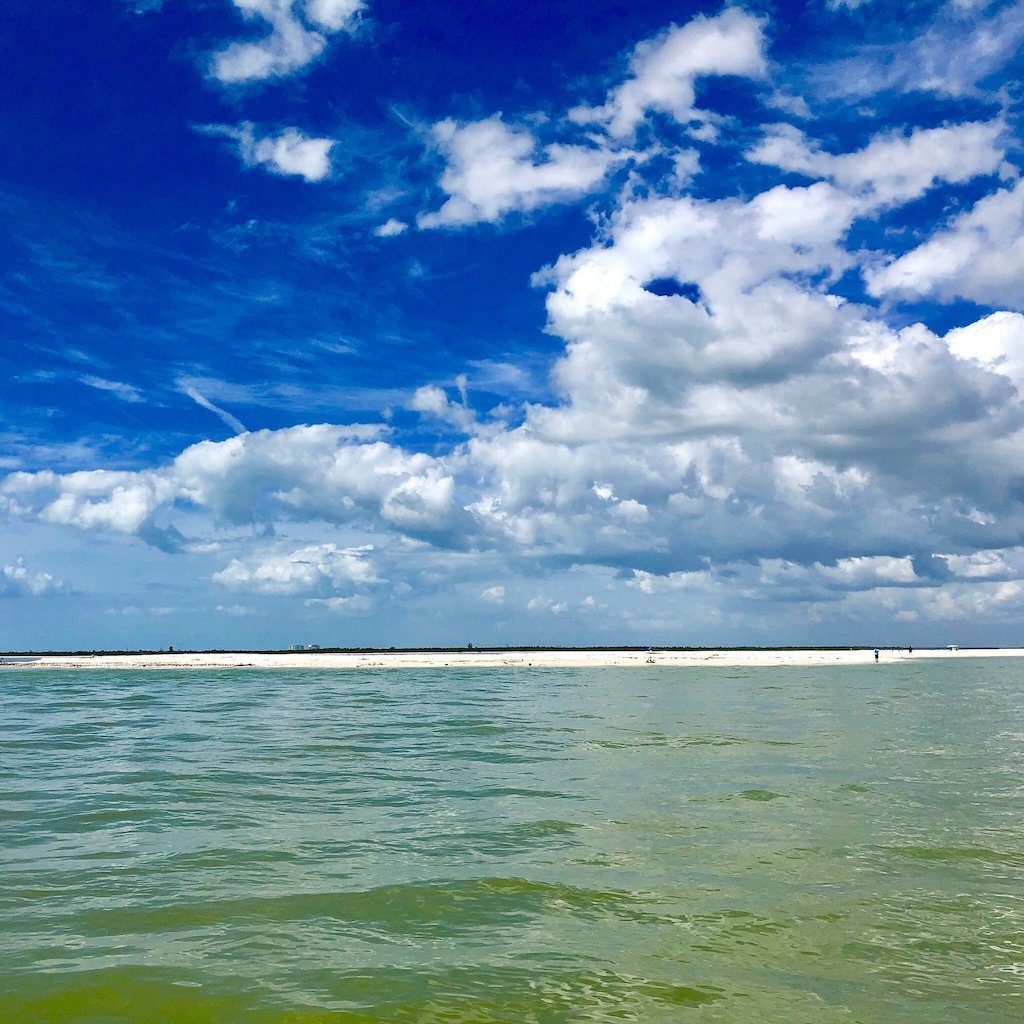
A wide view of an undeveloped barrier island and its surrounding shallows in the Ten Thousand Islands near Marco Island, Florida
Where the current sorts and drops things, twice a day

Good to Know

Venice to Goodland, the collector’s questions

Drive ranges with the dock named, what you may keep, and when to book.

How far is it from Venice, and which dock do I drive to?

Check which dock your trip leaves from before you set the alarm, because they are thirty to forty minutes apart. Shelling and island runs depart San Marco Marina, 604 E Palm Ave in Goodland, and from Venice that is roughly two hours — and up to two and a half — straight down I-75. Our Naples dock, Naples Bay Resort & Marina at 1500 5th Ave S, is closer at one hour twenty-five to one hour fifty-five, but Goodland is the dock that matters for a collector, and driving to the wrong marina is how people miss a boat. Season, roughly November through April, stretches both figures — check your own map app the morning you leave and add a buffer to whatever it says.

Is this a real day trip from Venice, or should we stay over?

It is a genuine day trip, and we would say so if it were not. Two hours or so each way to Goodland, wrapped around a cruise of an hour and a half to two hours, makes a full but perfectly reasonable day on a morning departure: leave early, park before the boat goes, be home for dinner. The version that gets long is an evening sunset run, which puts you back on the interstate in the dark. That is still workable from your end of the coast, but if you would rather not, our stay guide shows which areas sit closest to each dock. We are not affiliated with any property and do not book rooms.

How is island shelling different from what I’m used to at home?

Three ways, mostly. Access: these beaches have no road, no bridge and nobody raking them, so the tideline you walk was arranged by the last tide rather than by a crowd. Method: you are hunting shape rather than contrast, with your eyes and a slow pace rather than a screen. Rules: Collier County is empty shells only, which means anything still alive — a sand dollar or a sea star included — goes back in the water rather than into your bag. What carries across untouched is the useful part: your patience, your read of where current drops things, and your willingness to cover a stretch twice.

Can I keep everything I pick up?

Empty shells, yes. Collier County law is empty shells only, and that covers sand dollars and sea stars too, so the test before anything joins your haul is whether something is still living inside it. Tip it over, look for an animal or a sealed operculum, and check for a hermit crab — the easiest one to miss. A living keyhole urchin, which is what people here mean by a sand dollar, is greyish-brown and faintly fuzzy with spines that move; a keeper is white, hard and clean. Ask a captain if you are not certain. Putting a live one back costs nothing but the walk to the water.

Is there a better time of year to come down for this?

Not really, which is good news when you are the one driving. Shelling out here works all year; what shifts is when the low tide falls. Winter brings the morning negative lows, so trips run early. Summer pushes the good lows toward evening. Winter cold fronts also stir the Gulf and throw material up onto the islands, which shellers like, though the same front can mean a bumpier ride. So pick your dates around your own calendar, let the tide pick your departure time, and expect heavier road traffic from about November through April.

What are my odds on a junonia?

Low, and anyone telling you otherwise is selling something. A junonia lives in deep Gulf water, roughly a hundred to four hundred feet down, and only reaches a beach after a storm tears it loose — which is exactly why finding one gets your photo in the local paper. Plan the day around what these islands genuinely produce instead: whelks, tulips, fighting conchs, olives, cockles, murex, and now and then a horse conch, which is the Florida state shell and one of the largest snails in the Gulf. That is a strong tray by any measure, and none of it is promised either — the tide decides what it leaves.

Reserve Your Seats

Bring the bag

Check availability, take the slot the tide gives you, and build the drive from Venice around it.

Or call (239) 301-8913

Two Hours South

Book the run out of Goodland

Shelling trips, beach-and-island landings and private charters all leave San Marco Marina at 604 E Palm Ave, Goodland — 2 to 2½ hours down I-75 from Venice, and thirty to forty minutes past our Naples dock. Pick a date and we’ll build the departure around the tide, or call (239) 301-8913 and a captain will do it with you.

← All day trips

Proud member, Greater Naples Chamber of Commerce · Listed with VISIT FLORIDA, Paradise Coast CVB, Visit Marco Island & Visit Naples

Book Now