(239) 301-8913 Departing Marco Island & Naples, FL
⚓ USCG Licensed & Insured 4.9★ from 2,000+ guest reviews — read them on Google & Tripadvisor
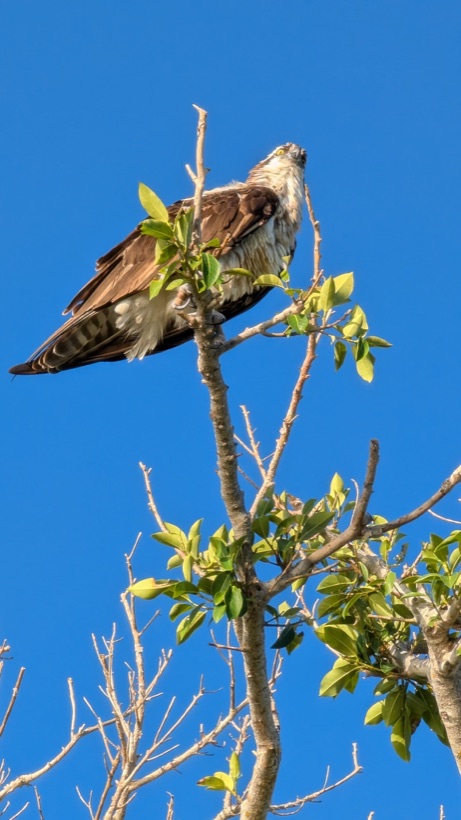
An osprey perched on a bare branch at the top of a mangrove against a deep blue sky near Naples, Florida

Near Your Stay

Boat Tours Near The Isles of Collier Preserve

You already know this estuary at paddling speed — the trails, the launch, the same bend of mangrove on a falling tide. This page is about the parts of it a kayak has no business crossing, and what a powered hull and a tide-reading captain add to a morning.

  • Naples Bay Resort & Marina
  • 10–15 min west on US-41
  • 1.5–2 hour cruises
  • USCG Master Captains
Nearest dockNaples Bay Resort & Marina
From the Isles of Collier Preserve10–15 min drive west on US-41
WaterNaples Bay, out through Gordon Pass to open Gulf and island shoreline
You may seedolphins, ospreys, wading birds on a bare flat — wild, never promised

Past the Paddling Radius

Where the paddle stops and the boat keeps going

The Isles of Collier Preserve sits out Tamiami Trail East about four miles from downtown Naples, with the Rookery Bay National Estuarine Research Reserve, Dollar Bay and the Naples Botanical Garden along its edges. More than half the land inside was left as habitat and preserve, laced with walking and biking trails and paddling water, and there is a place to put a kayak in. Live here a season and you know what that buys: a couple of hours on a tide you can read from your own back door. What it does not buy is distance. Every paddle is a round trip, and the leg home is usually into whatever the afternoon decided to do.

That ceiling has nothing to do with how well anybody paddles. A kayak moves at about walking speed, so the map shrinks to whatever you can cross and re-cross before the wind gets up. Our boats cover in twenty minutes what would cost you a hard morning out and a harder one back. The water in between is not gentle either: Gordon Pass runs fast when the tide turns, with a marked channel, moving traffic and wakes stacking against the current, and Capri Pass and Big Marco Pass behave the same way farther south. Those cuts are the doors to everything outside — open Gulf, the outer islands, the far shorelines of the same system you already paddle.

The second thing a boat buys is timing, and people underrate it. A bar covered in feeding birds is only bare for a couple of hours, and it is rarely the two hours that suit a launch schedule. Our captains build the route around the stage of the tide rather than the hour on the clock — leave on the falling water, be out there while the flat is still coming up, be off it before the hull is sitting on the bottom. That is most of what a USCG Master Captain is for out here, and it is the piece that is hardest to reproduce from a kayak seat, where you get one departure window and one speed.

  • About a 10–15 minute drive west on US-41 to our Naples slip
  • Open passes and outer shoreline a paddle craft can’t safely cross
  • Routes planned around the stage of the tide, not the clock
  • We’re a boat-tour company — not a kayak or paddle outfitter
Check Availability

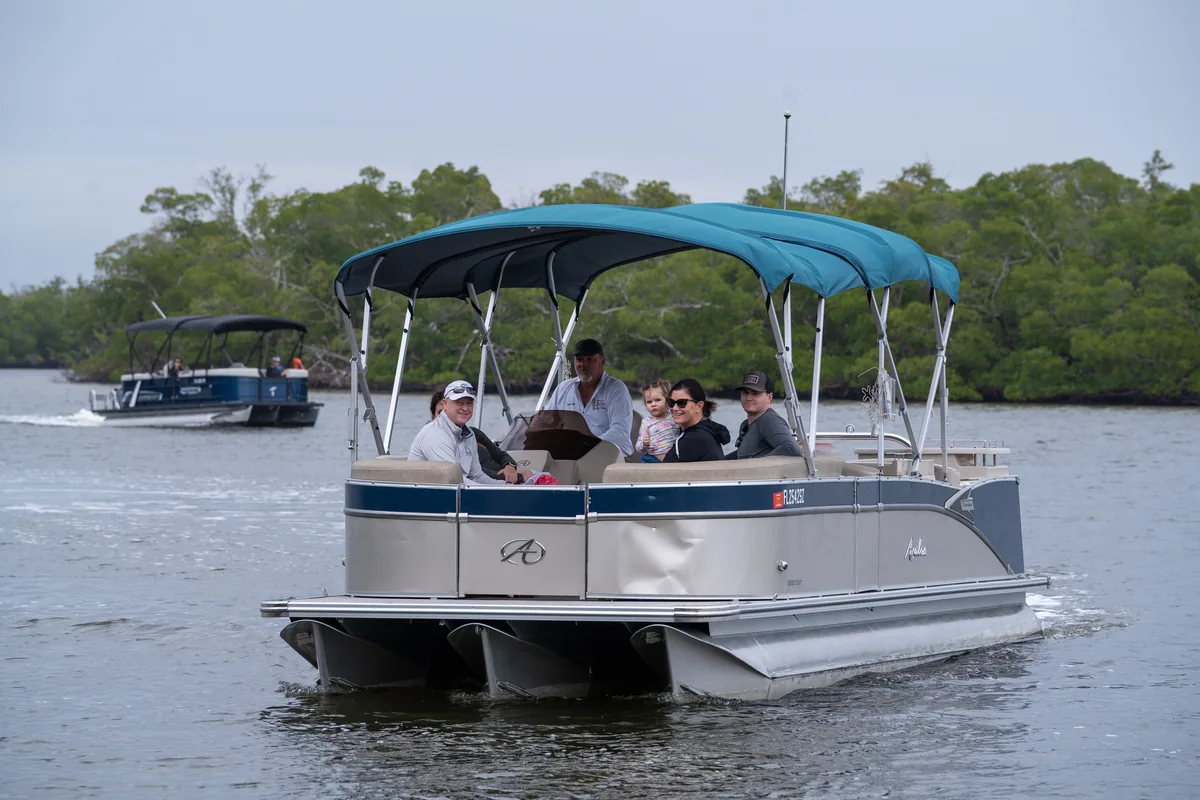
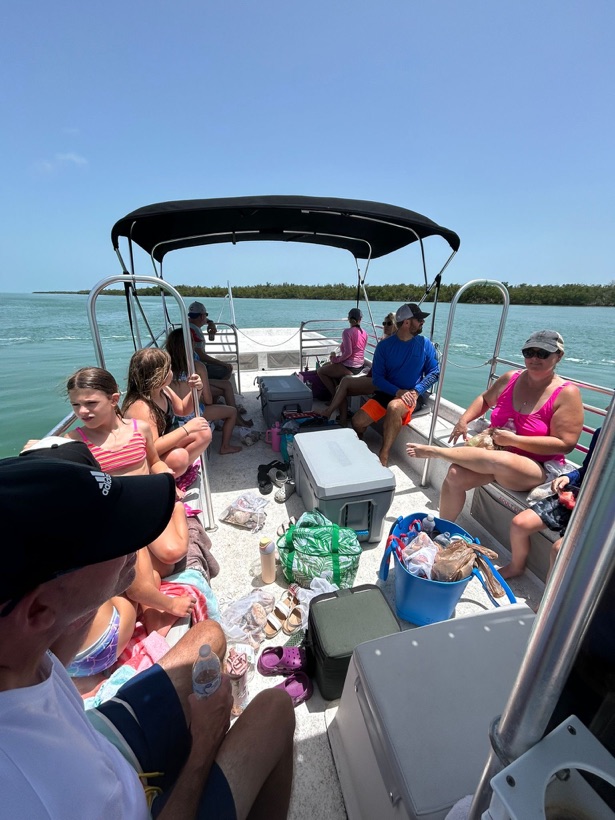
A family aboard the Sand Dollar Avalon pontoon running a mangrove-lined channel in the Ten Thousand Islands, with a second Sand Dollar pontoon in the distance
The same mangrove edge, a long way past paddling range

Gate to Dock

From the preserve to our slip, step by step

Six steps, and the only complicated one is deciding what you want to look at.

01

Start: your side of Tamiami Trail East

You already have the part most of our guests are missing: you know what the tide did this morning, which way the wind has been sitting for three days, and what the water looks like on a day worth going. We are not going to explain your own country back to you — there are full write-ups of the Rookery Bay National Estuarine Research Reserve and Dollar Bay if you ever want them, but you have the better source, which is watching both of them out the window all season. What a boat changes is not the information you start with. It is how far that information can travel — the same tide you read off your own bank is running two miles offshore, over flats and around keys you cannot reach and get home from under your own power.

02

The drive: about ten to fifteen minutes west on US-41

Head out to the Trail and run northwest toward downtown, over the Gordon River, then down to the water at 1500 5th Avenue South. Call it ten to fifteen minutes, and treat that as a range rather than a promise. In February the lights through East Naples stack up and it stretches; on a September morning you will be early. Drop the marina address into your own map app before you leave and let it tell you the truth for your gate and your hour. If you find yourself running behind, call (239) 301-8913 instead of guessing — somebody who knows where the boat is will pick up.

03

The dock: our slip at Naples Bay Resort & Marina

Every tour we run boards at our slip at Naples Bay Resort & Marina, 1500 5th Avenue South, on protected Naples Bay. Since this is a community built around water, let us be plain about how it works: we do not depart from community launches, community ramps or private residential docks, and we are not able to collect anyone from behind their house — not here, not anywhere. We are also not a kayak or paddle outfitter, so we do not rent, guide or shuttle paddle craft. What we run are powered tour boats with a USCG-licensed captain aboard, berthed at that marina, which is where the crew stages and where a full group can board safely. Once you have booked we send the exact slip and a short where-to-meet note, and there are restrooms right there before you step on.

04

Parking, and the ten minutes worth leaving yourself

There is parking around the marina and through the Bayfront and 5th Avenue South blocks, and in season it fills earlier than newcomers expect. Give yourself a cushion. Arriving ten minutes ahead means you park without hurrying, find the slip, and step aboard breathing normally — and it means we push off on the water we planned for instead of ten minutes into the wrong stage of it. That matters most on winter morning departures, when the low tide you came out for is the entire point and it does not wait for a late car.

05

What to bring when you are coming to look at things

Bring binoculars. That sounds obvious and half our guests still leave them on the kitchen counter, and on open water the thing you want a better look at is usually a few hundred yards off. Polarized sunglasses earn their place too: they let you see into the water instead of off it, which is the difference between a shadow and a ray. Then a hat, reef-safe sunscreen, soft-soled shoes and a light layer, because a boat under way in January is a good deal cooler than your driveway was. If you are shooting with a long lens, say so when you book and your captain will think about the light and cut the engine when it counts. Shade and water are aboard; anything else you want to eat or drink, bring it with you.

06

Then: down the bay, out the pass, and back

This is where you stop planning and start looking. Out of the slip, down Naples Bay past the working docks and the mangrove edges, and from there it depends on the day — through Gordon Pass to open Gulf and the shoreline on the far side, or a slower run in the back country if the wind has other ideas. Your captain narrates as you go: who is nesting on which marker, why the birds are piled on that bar and not the one beside it, where the dolphins have been showing up this week. Ninety minutes to two hours later you are tied up at the same slip. Most people who take this trip once start reading the tide chart differently afterward.

Who It Suits

A great fit if you’re…

Written for people who already care about this estuary and want more of it than a paddle can reach.

Already paddling this water

You know the first few miles cold. This is the rest of the system, at a speed that makes it a morning rather than an expedition.

Here for the birds

Shorelines and flats that sit miles from any launch, reached at the water level that actually brings the birds down onto them.

Carrying a long lens

A steady platform, shade over your head, and a captain who will hold position and shut the engine off when it matters.

Curious what the outer beaches hold

Boat-only shoreline gets first look at whatever the Gulf pushes up. Empty shells only out here — Collier County law, and a good one.

Out Past the Launch

What the far side of the tide looks like

Flats that only show on falling water, dolphins that live here every month, and shade for the ride home.

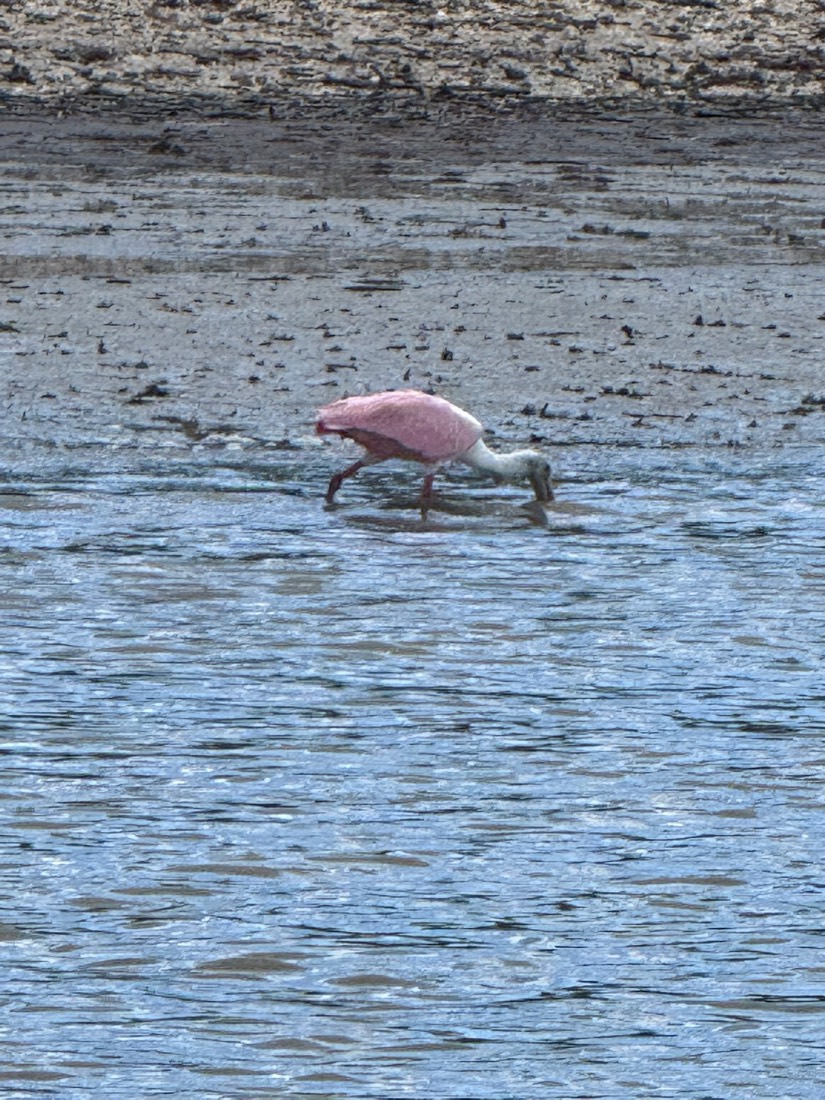
A roseate spoonbill feeding in shallow water on an exposed tidal flat near Naples, Florida
A flat like this is only bare for a couple of hours
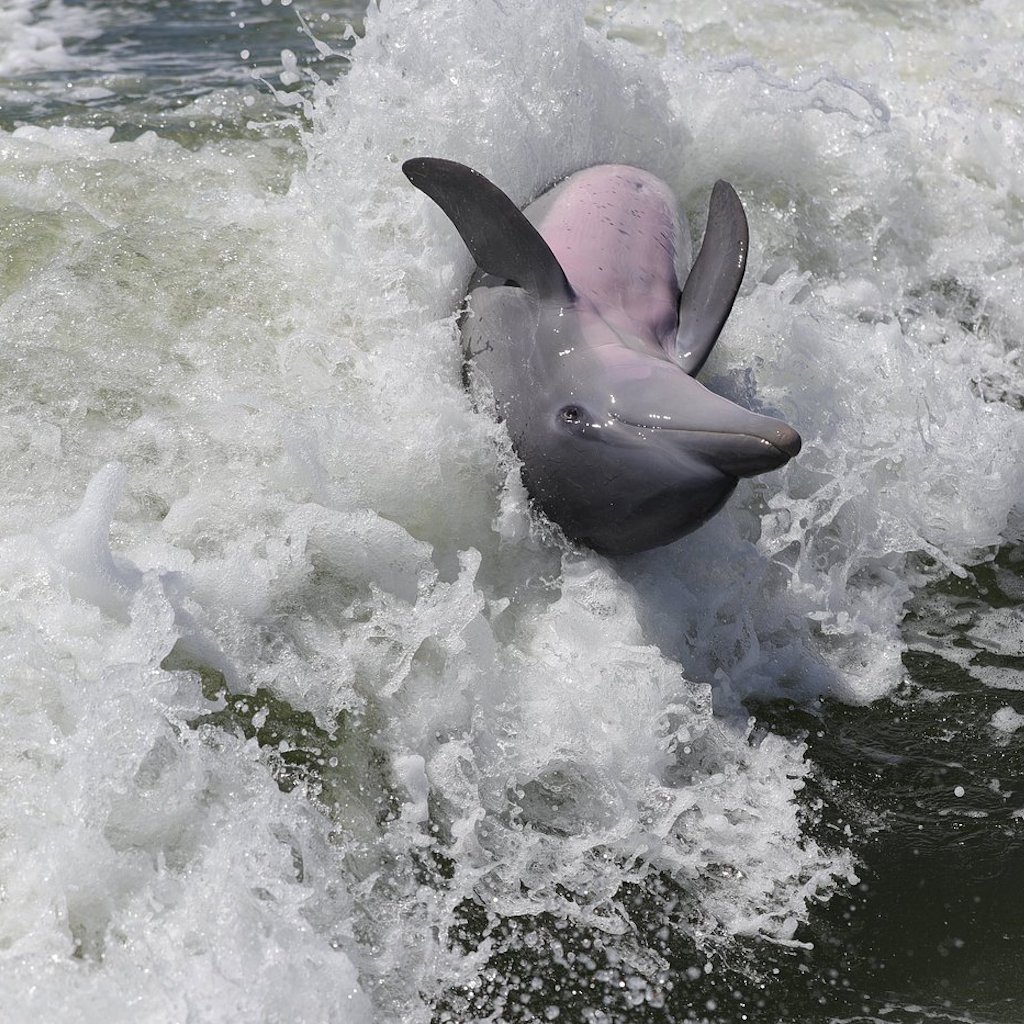
A wild bottlenose dolphin surfacing through white wake spray on a boat tour in Southwest Florida
Wild bottlenose — here year-round, never promised
Guests relaxing in the shade aboard a Sand Dollar boat with a mangrove island behind them near Naples, Florida
Shade, a seat, and somebody else watching the water

Good to Know

Boat tours near The Isles of Collier Preserve

The questions we get from people who already spend their mornings out on this water.

We already kayak out here. What does a boat trip actually add?

Range and timing, mostly. A paddle craft is honest about its radius — whatever you go out, you come back, usually against something — so the outside water stays theoretical no matter how many seasons you put in. A powered boat turns that into a morning: through the pass, across open water, along shoreline with no launch anywhere near it. The other half is the captain. Ours run this water year-round and plan the route around the stage of the tide rather than the hour on the clock, which is how you end up on a bar during the twenty minutes it is worth being there. None of that makes paddling the lesser thing. It is the same interest with the distance problem taken out of it.

Can you launch from our community launch, or pick us up at a private dock?

No, and it is worth knowing before you book rather than after. Every trip we run departs from our slip at Naples Bay Resort & Marina, 1500 5th Avenue South — not from community launches, not from community ramps, and not from anybody’s private dock. We are not a kayak or paddle outfitter either, so we do not rent, guide or transport paddle craft. Our boats are powered tour vessels with a licensed captain aboard, berthed at that marina, which is where a group can board safely and where the crew stages before a run. From your gate the marina is roughly a ten to fifteen minute drive west on US-41.

Can you take us into Rookery Bay or Dollar Bay?

Ask when you book and we will give you a straight answer for that day. Where a boat can sensibly go out here depends on the tide, the wind, the draft of the vessel and the length of the trip, so it is a conversation rather than a menu item — and a private charter is the version with the most room to build the route around what you actually want to see. We have full write-ups of both the reserve and Dollar Bay on this site, linked from this page, if you want the background rather than the boat trip. Call (239) 301-8913 and tell whoever answers what you are hoping to look at.

When is the birding best out there?

There is something every month, but the tide matters more than the calendar. Falling water drops the level off the flats and concentrates whatever feeds on them — herons, ibis, the occasional spoonbill picking a shallow edge — and the rising water pushes them off again. Ospreys hold this coast all year; you will usually hear one before you spot it. The cool months bring more of the winter crowd, while summer runs quieter but starts earlier, with glassy water more mornings than people expect. Nothing is promised. These are wild birds on their own schedule, and any operator guaranteeing you a species is guessing.

Will we see dolphins?

Often, and never on demand. Wild bottlenose dolphins live in this water year-round — the bay, the pass and the beaches outside — and they regularly surface beside the boat or slide into the wake behind it. They are wild animals with somewhere else to be, though, so we do not guarantee a sighting and you should be skeptical of anyone who does. What we can tell you is that you will be in water they genuinely use, with a captain who knows which stretches have been producing lately. Swimming with them is illegal in Florida, and we hold a respectful distance for the animals’ sake as much as the law’s.

What about shelling — can we do that from the Naples dock?

Partly. From our Naples slip a beach and island trip puts you on boat-only shoreline outside Gordon Pass, and there are shells on it. The proper wild-island shelling runs leave from our other dock, San Marco Marina at 604 E Palm Avenue in Goodland, on the southeast tip of Marco Island, because that is a serious head start into the Ten Thousand Islands and the beaches where the material really piles up. From here that is a genuine drive south, so plan it as its own day rather than an add-on. Shelling starts at $125 per adult and $90 per child, and it runs all year — winter brings the morning negative lows, summer the evening ones. Collier County is empty shells only, no live shells or sand dollars or starfish, and Florida’s state shell is the horse conch.

Reserve Your Seats

Ready to see the outside of it?

Check dates and book a boat tour from our Naples Bay slip — or call (239) 301-8913 and tell us what you are hoping to see.

Or call (239) 301-8913

The Rest of the System

Book a trip past the paddling radius

Private charters, dolphin cruises, beach and island landings, and the Ten Thousand Islands shelling day — run by USCG Master Captains who plan the route around the tide instead of the clock. Pick a date and tell us what you want to look at.

← All stays we serve

Proud member, Greater Naples Chamber of Commerce · Listed with VISIT FLORIDA, Paradise Coast CVB, Visit Marco Island & Visit Naples

Book Now