Atlantic vs. Gulf
Why the water on the other side is a different ocean
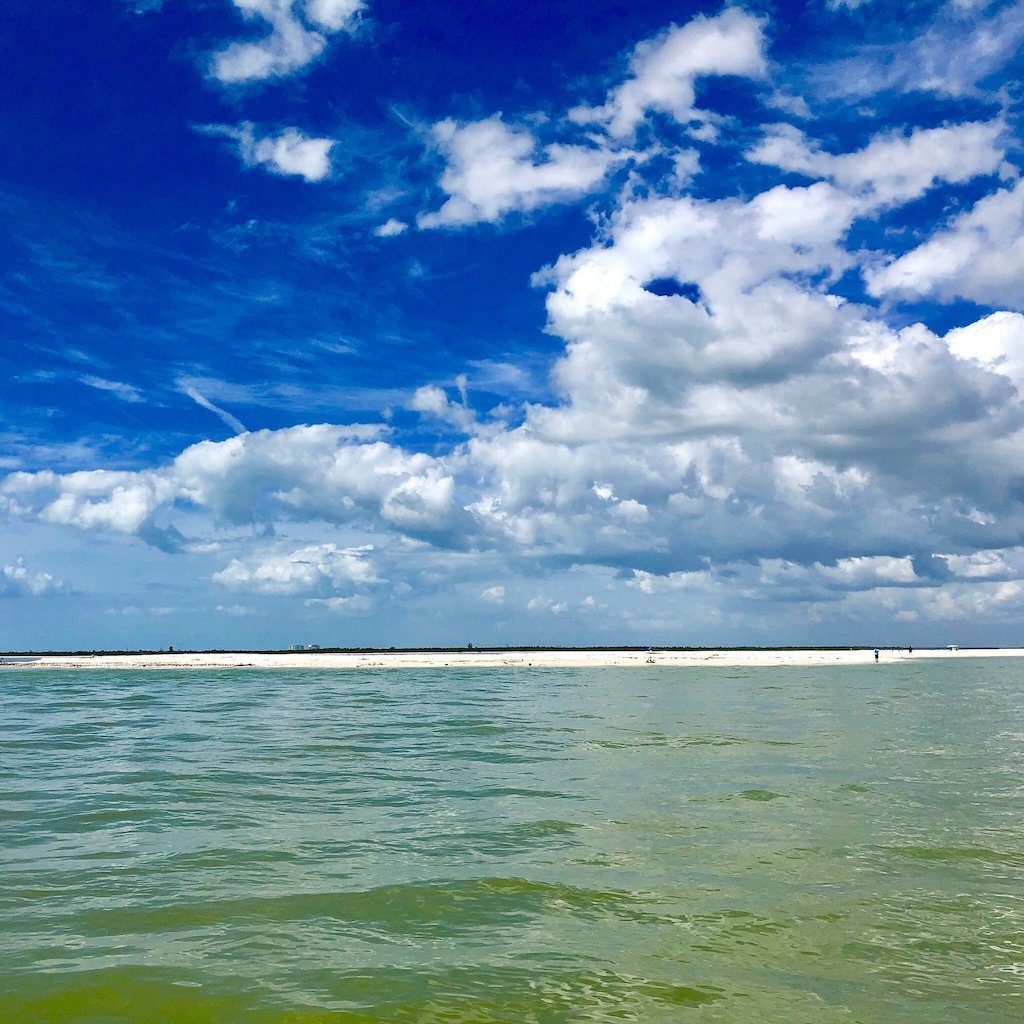
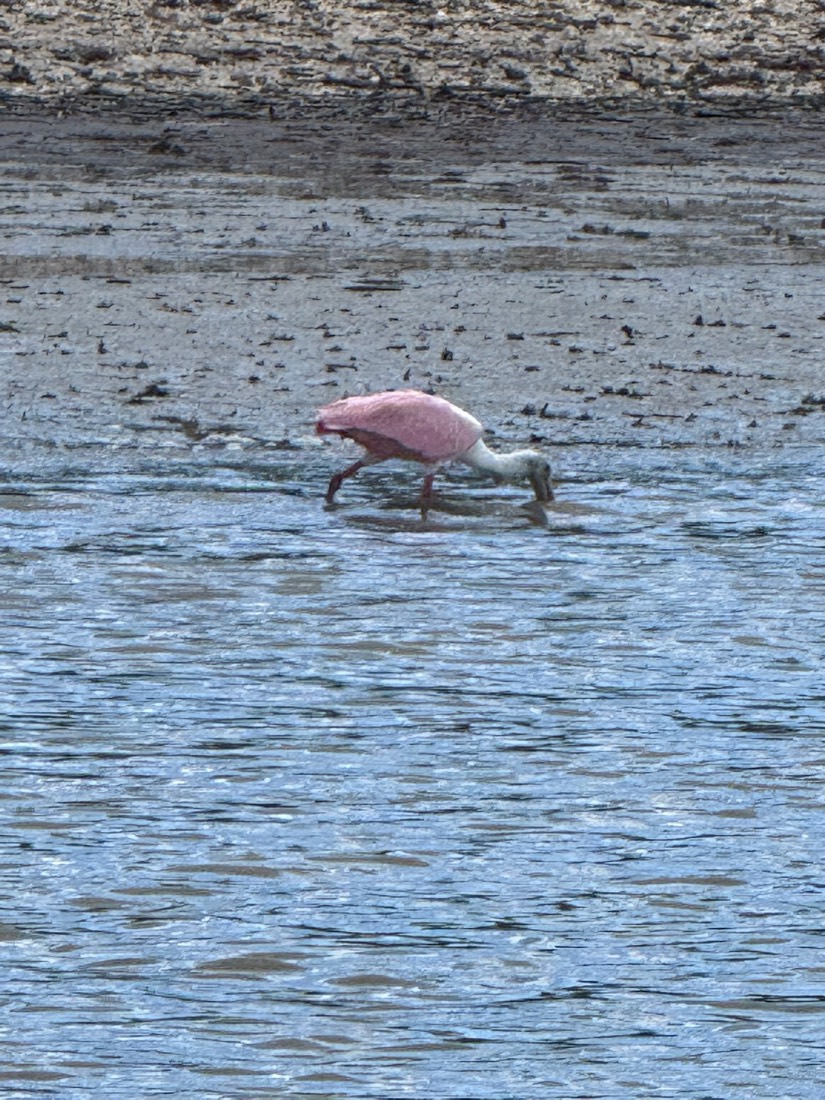
Boca Raton sits on a genuinely excellent piece of ocean, and nothing on this page is an argument against it. The Atlantic drops off fast here, the sand packs hard enough to run on, the surf actually breaks, and on a windy morning it looks like open sea because it is. What we run is not a better beach — it is a different body of water. The Gulf shelf leaves Southwest Florida at a gradient so lazy it barely registers, and that single fact drives everything downstream of it: wave height, water temperature, clarity, color, and what ends up sitting on the sand at low tide.
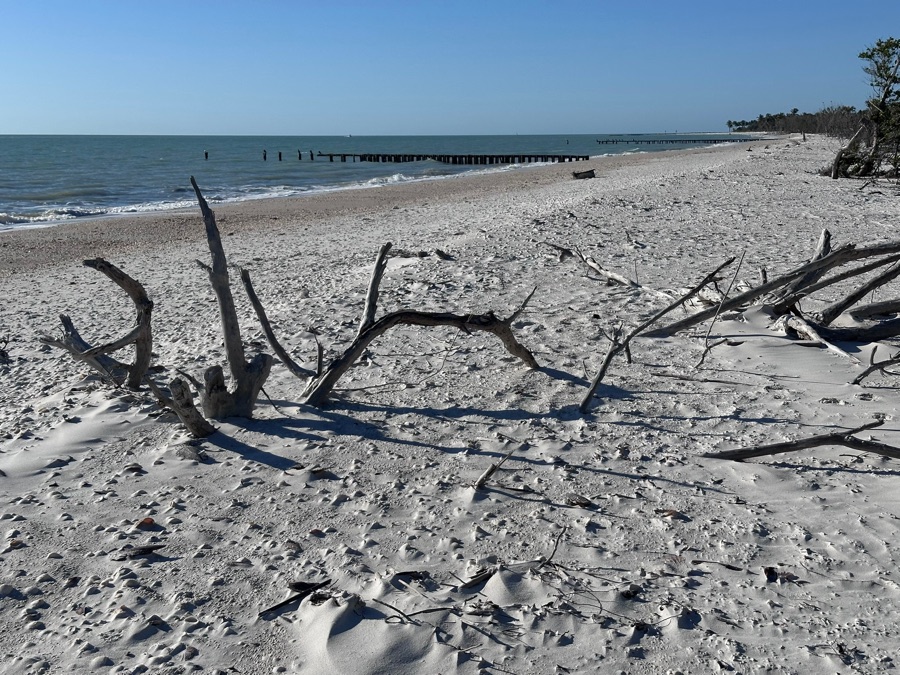
A shallow shelf is a shell factory. Waves that never build much energy carry whole shells ashore and set them down instead of grinding them into sand, and out on the unbridged islands south of Marco nobody has ever raked a beach or run a groomer over one. That is why the tideline out there looks nothing like the one at home — whelks, fighting conchs, olives, cockles and the occasional horse conch, which is the Florida state shell. Collier County is empty shells only, so anything with an animal still inside goes back. If you want the islands themselves, Keewaydin is the one most people have heard of.
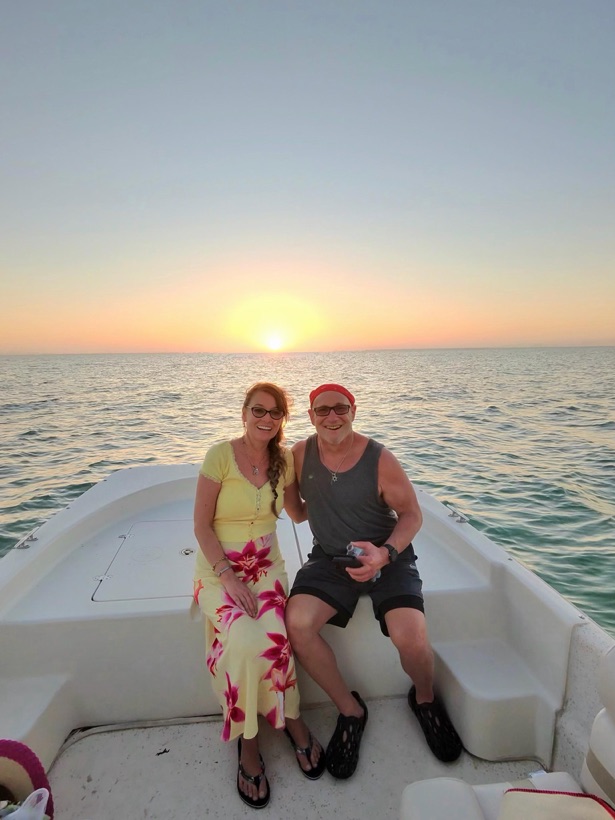
For most people driving over from Boca Raton this lands as a date-day rather than a family expedition, and the arithmetic is friendly enough. Figure 2 hours 05 to 2 hours 35 to our Naples Bay dock, or 2 hours 40 to 3 hours 10 all the way down to Goodland, out I-95 and then west on Alligator Alley — a toll road whose rates change, so we will not quote you a number. A morning or midday trip has you home at a civilized hour. A sunset cruise does not, which is why we tell couples to book a room and drive back in daylight instead.
- Gulf shelf: shallow, warm, often glass-flat
- Shells arrive whole because the waves stay gentle
- 2 hr 05–2 hr 35 to our Naples dock; 2 hr 40–3 hr 10 to Goodland
- Booking the sunset run? Sleep over instead of driving the Alley dark
Check Availability