Rookery Bay National Estuarine Research Reserve
A 110,000-acre protected estuary of mangroves and tidal creeks just south of Naples — one of the richest wading-bird nurseries on the Gulf coast.

Plan Your Trip
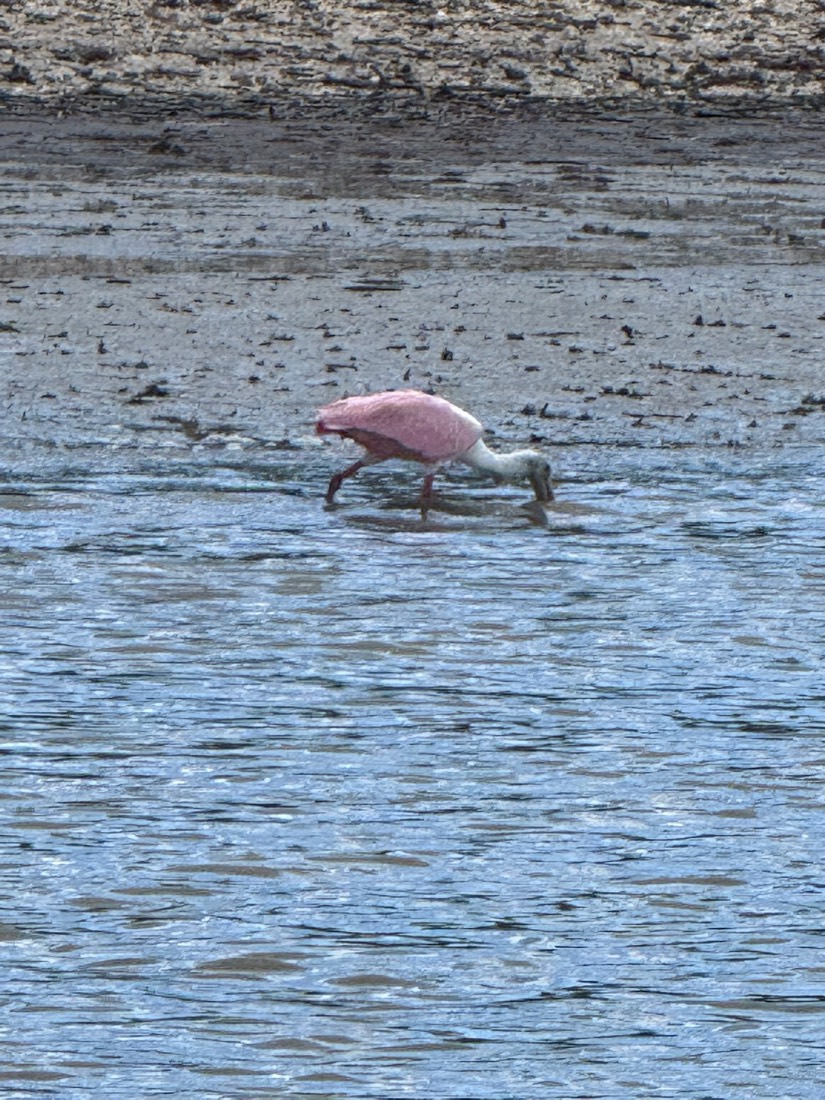
Grab your binoculars — the Ten Thousand Islands hide some of the richest birding water on the Gulf coast, and almost all of it is roadless. Our captains cut the engine and drift the shoreline instead of pushing birds off a bar, running a falling tide into the mangrove rookeries and oyster flats where roseate spoonbills, reddish egrets and magnificent frigatebirds actually work. Sightings are never guaranteed, but a private or small-group charter timed right puts you in the habitat.
Why Birders Book With Us
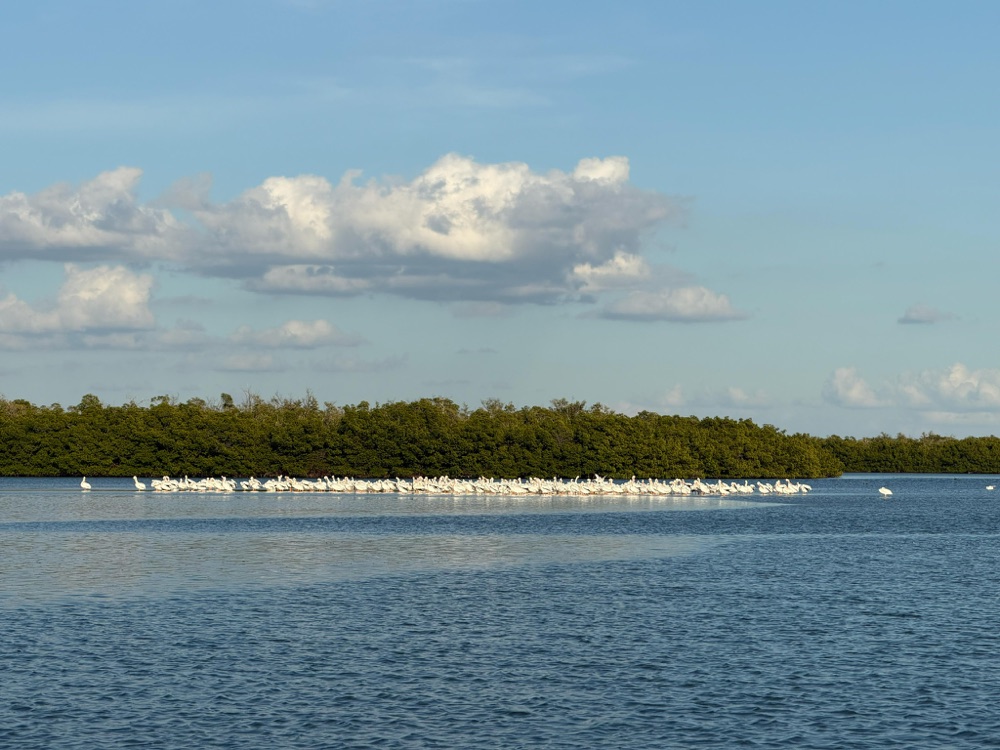
Most of the best birding in Southwest Florida happens somewhere a car simply can’t go. The mangrove rookeries, oyster bars and tidal flats of the Ten Thousand Islands sit south of Marco Island with no bridge, no boardwalk and no parking lot — the only way in is a boat. That’s the water our captains run every day, and it’s exactly the habitat that pulls in roseate spoonbills, reddish egrets, white pelicans and magnificent frigatebirds to work the flats a falling tide leaves exposed.
We don’t run birding trips like a typical sightseeing cruise. Your captain cuts the motor well off the rookery and lets the boat drift the shoreline instead of pushing birds off a bar for a closer look — the goal is watching them keep doing what they were already doing. A private charter is the easiest way to do this right, since we can time the whole trip to a falling tide instead of a fixed schedule, and winter brings a wave of migrants into Rookery Bay that stacks the flats even fuller.
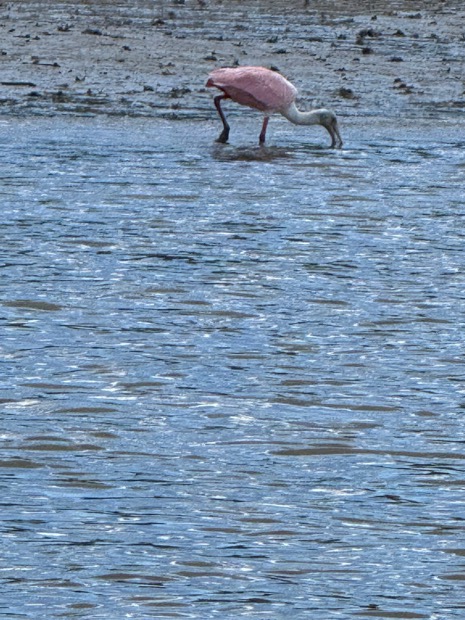
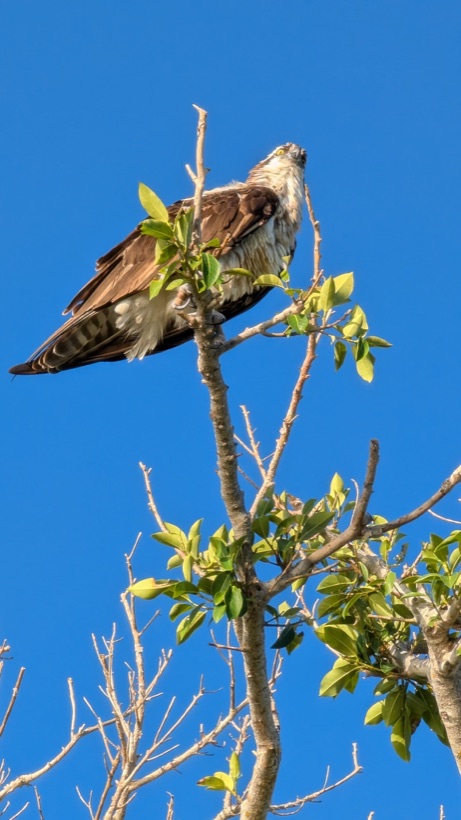
Expect wading birds working the exposed mud and sand as the tide drops — egrets, herons, ibises and, if you’re lucky, a roseate spoonbill sweeping its bill through the shallows. Ospreys and brown pelicans are near-certain, and the mangrove islands hold nesting rookeries of wading birds and frigatebirds in season, with winter migrants adding real numbers to the flats. Sightings are never guaranteed — these are wild birds on a wild tide — but the habitat is, and a slow private run puts you right in the middle of it.
Pick Your Trip
Any of these can be timed to the tide and slowed down for birding — tap one for full details and live booking.
Where We Run
A single birding trip can touch a protected estuary, a roadless mangrove maze and an exposed oyster bar. Here’s what’s out there.
A 110,000-acre protected estuary of mangroves and tidal creeks just south of Naples — one of the richest wading-bird nurseries on the Gulf coast.
A roadless maze of mangrove keys south of Marco Island where rookery trees fill with nesting pelicans, egrets and frigatebirds in season.
Shallow, glass-clear flats off Cape Romano where reddish egrets work the shallows and terns dive the surface at a falling tide.
Exposed oyster bars at low water draw willets, herons and, on a good day, a roseate spoonbill working the edges.
The quiet bay side of Keewaydin borders Rookery Bay itself — wide mud-and-sand flats that fill with waders as the tide falls.
Tight, close-in creeks near our Goodland dock where ospreys perch low and green herons hunt the bank — an easy add-on to any island run.
🐦 We never push a rookery to get a better photo — our captains idle and drift so the birds keep doing what they were already doing.
Who Loves It
Whoever’s aboard with binoculars, there’s a trip timed right for them.
Slow, quiet runs to roadless rookeries and tidal flats a car simply can’t reach.
A private charter times the light and the tide so you’re not fighting either.
Migrants pour into Rookery Bay from November through spring, stacking the flats with waders.
Calm water and an easy spotting game — ospreys and pelicans keep kids glued too.
On the Water
Real waters, real Ten Thousand Islands. Tap any photo to look closer.
Plan Your Trip
Other angles on the same water, and the hubs that tie it all together.
Good to Know
Planning a birding trip on the water? Here’s what guests ask most.
Expect wading and shorebirds working the tidal flats — roseate spoonbills, reddish egrets, white pelicans, herons, ibises and ospreys are all regulars in the Ten Thousand Islands, and magnificent frigatebirds work the mangrove rookeries in season. They’re wild animals on a wild tide, so nothing is guaranteed, but the habitat holds up trip after trip.
Birding here is good year-round, but winter (roughly November through spring) brings a wave of migrants into Rookery Bay that stacks the flats with waders. More than the season, though, timing to a falling tide — when mud and sand flats expose feeding birds — makes the biggest difference on any given day.
Yes — a private charter is the best way to birdwatch by boat, since your captain can build the whole trip around a falling tide instead of a fixed departure time. Tell us you’re birding and we’ll route the day toward the rookeries, oyster bars and flats that are working.
We idle and drift rather than motor straight at a rookery, staying far enough off to let the birds keep doing what they were already doing instead of flushing off the trees. We don’t land guests on nesting rookery islands — the viewing happens from the water.
They complement each other. Land trails and boardwalks reach one fixed patch of habitat, while a boat gets you into the roadless mangrove creeks, oyster bars and back-bay flats of the Ten Thousand Islands that no trail ever touches — that’s where a lot of the real numbers are.
Binoculars and a zoom lens if you’re shooting photos, sun protection, and a bit of patience — quiet voices and slow movements get you closer, longer looks. Your captain will handle the boat and the route; you just watch the water.
Reserve Your Seats
Live availability and instant confirmation — pick a private charter to time the tide, or call and a local captain will help you plan the route.
The Rookeries Are Waiting
Roadless mangrove islands, tidal oyster bars and a captain who drifts instead of pushes. Book your birding boat tour today.
Proud member, Greater Naples Chamber of Commerce · Listed with VISIT FLORIDA, Paradise Coast CVB, Visit Marco Island & Visit Naples