
☀️ Read the season carefully
- Birds
- Winter visitors and breeding activity are different interests
- Manatees
- Water temperature matters; a month does not locate an animal
- Sea turtles
- Beach nesting dates do not predict sightings from a boat
- Booking
- Check current choices for your actual dates
What does a wildlife calendar tell you?
A useful calendar names the event and the place its source describes. A nesting season concerns reproduction on the beach or at a colony. A winter birding recommendation concerns an opportunity to observe birds in a particular habitat. Neither gives a percentage chance of seeing an animal on a Sand Dollar trip.
| Interest | Source-backed context | Still ask or check |
|---|---|---|
| Winter birding | FWS describes approximately October to March as a good viewing window at Ten Thousand Islands National Wildlife Refuge | Which habitat and outing fit your interest? |
| Manatees in cold periods | FWC explains that manatees seek warm-water areas below about 68°F | What does the actual outing offer, without a sighting promise? |
| Sea turtle nesting | Collier County describes the local season as spring through the end of October | Are you reading about beach nesting or expecting a boat sighting? |
For birds, separate winter visitors from nesting
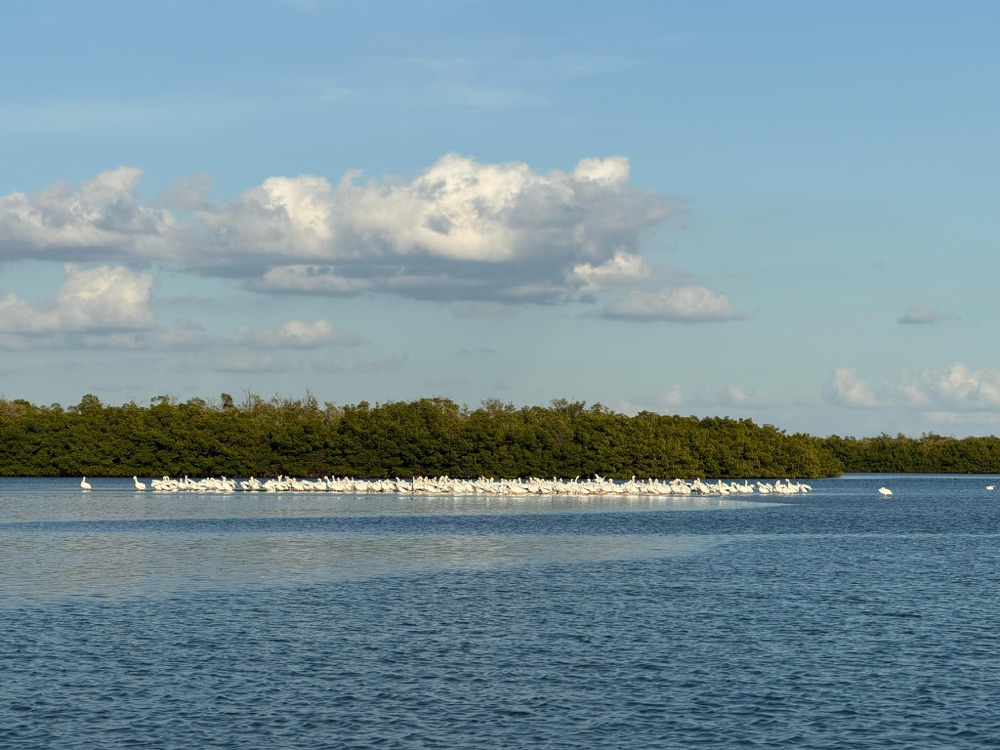
The U.S. Fish and Wildlife Service's Ten Thousand Islands birding page especially highlights the Marsh Trail and observation tower, with birds best viewed approximately October through March. This is advice for the refuge, including a land-based viewing option. It does not describe a Sand Dollar itinerary.
Rookery Bay's non-breeding shorebird monitoring also describes migration and wintering birds using local beaches, lagoons and mudflats. You can have a worthwhile birding interest outside the nesting story. If colonies are your focus, read the rookery guide for the distinction between nesting and resting birds.
Cold weather changes manatees' needs
FWC's manatee habitat guidance explains that prolonged cold is harmful and that manatees seek warm-water refuges when water falls below about 68°F. These refuges include natural springs and some industrial warm-water sources. The important qualification is a reliable warm-water refuge, rather than an assumption that any sheltered back bay is warm enough.
That statewide behavior does not identify where a manatee will be on your visit, establish a local aggregation, or make a Naples cruise a dedicated manatee-viewing trip. Keep the animal you hope for separate from the itinerary you have actually reserved.
Nesting dates describe activity on the beach
Collier County's 2026 nesting notice describes the local season as spring to the end of October. The county recorded that year's first nest in April. This is a useful reason to read current beach guidance; it cannot tell you whether a turtle will surface beside a boat. A seasonal label alone also does not establish that a wildlife area is open to visitors.
Choose your next step around what matters most
If you enjoy a broad wildlife outing, use the observation checklist to record the day as it unfolds. If one species is essential to your plans, explain that before reserving. Ask Sand Dollar which current trip choices fit your dates and interests by calling (239) 301-8913. Confirm any special timing or photography request separately; this guide does not establish sunrise departures, altered routes or extra time at sightings. The visit-week example below shows how to separate those questions.
From the Helm: Make a visit-week plan without reserving a wildlife outcome
Start your visit-week plan with the part you can decide: what would make the outing worthwhile for the people coming with you? A general interest in coastal wildlife leaves several ways to enjoy a day. A trip built entirely around seeing one species has a narrower success condition. Naming that difference early helps you ask a more useful question than “Is this a good month?” It also gives your companions a fair picture of what remains uncertain.
Consider two hypothetical travelers visiting during the same winter week. One wants time on the water and would enjoy watching whatever birds are visible. The other has traveled mainly to see a manatee. The same regional seasonal description cannot answer both needs. The first traveler can compare available boat outings for their practical fit. The second should make the species priority explicit and find out what a proposed outing actually offers before making a reservation.
Write the question so that it can receive a concrete answer: “We are here these dates, this is our wildlife interest, and this is the trip we are considering. What does that outing include?” Then ask separately about the departure, duration and any photography preference. A request for more observation time is still a request until confirmed. A guide's discussion of winter habitat cannot establish an extra stop or make a departure time flexible.
Keep independent nature visits in their own part of the plan. The FWS Marsh Trail reference above is one example of a land-based birding resource described by its own manager. If you decide to explore it, read that manager's current visitor information and arrange it separately. A public refuge recommendation is useful because it adds another way to pursue an interest; mentioning it here does not make it part of your boat reservation, supply transport or establish that facilities fit every guest.
Make two short columns in your notes: confirmed arrangements and open questions. Put the actual booked trip, departure and duration in the first column only after confirmation. Keep a hoped-for animal, a proposed wildlife stop and a preferred camera angle in the second unless you have a specific answer about the arrangement. Even an agreed opportunity to look for wildlife leaves the animal free to be elsewhere. That is an important distinction to share with anyone joining you.
Finally, leave space to record what happened. The field checklist turns a seasonal interest into a few observations rather than a score for the whole trip. If the day's memorable moment is a resting flock instead of your original target, you can describe it on its own terms. Your visit has a real record, and your seasonal notes remain useful context rather than a promise the outing was supposed to fulfill.